The best spots for whale watching near Puerto Escondido
Every winter, humpback whales return to the warm Pacific waters off Oaxaca after traveling thousands of miles from northern feeding grounds. Their seasonal migration brings spectacular breaches, tail slaps, and spouts within reach of the coast, making Puerto Escondido a memorable base for marine wildlife excursions.
Whale sightings are never guaranteed, since these are wild animals moving through a vast ocean. However, the coastline between Puerto Escondido and Huatulco offers several excellent departure points and viewing areas. A comfortable beachfront stay at Vivo Resorts places travelers close to the water while providing a peaceful retreat after a day offshore.
When whales pass the Oaxaca coast
Humpback whales usually appear along the Oaxaca coast from late November through April, with the most consistent activity often occurring between December and March. During these months, whales migrate south to breed and give birth in warmer waters before beginning the journey north again.
Morning trips are generally a strong choice because the sea is often calmer and visibility can be better. Local captains also understand seasonal routes, currents, and the areas where whales have recently been reported. Conditions change daily, so an experienced operator may adjust the route according to weather and recent sightings.
The migration is only part of the marine spectacle. Pacific bottlenose dolphins, spinner dolphins, sea turtles, rays, and seabirds are frequently seen during boat excursions, turning a whale trip into a broader wildlife adventure.
Puerto Escondido’s coastal departure points
Many whale watching tours leave from Puerto Escondido’s main waterfront areas, including Playa Principal and nearby small harbors. These locations are convenient for visitors staying in town and offer quick access to deeper water, where migrating whales are more likely to pass.
Playa Zicatela and La Punta are better known for surfing and sunset views, but their exposed coastline provides a useful perspective when whales travel relatively close to shore. Land-based sightings are possible from elevated viewpoints, especially when a whale surfaces repeatedly, although boats usually provide a closer and more dynamic experience.
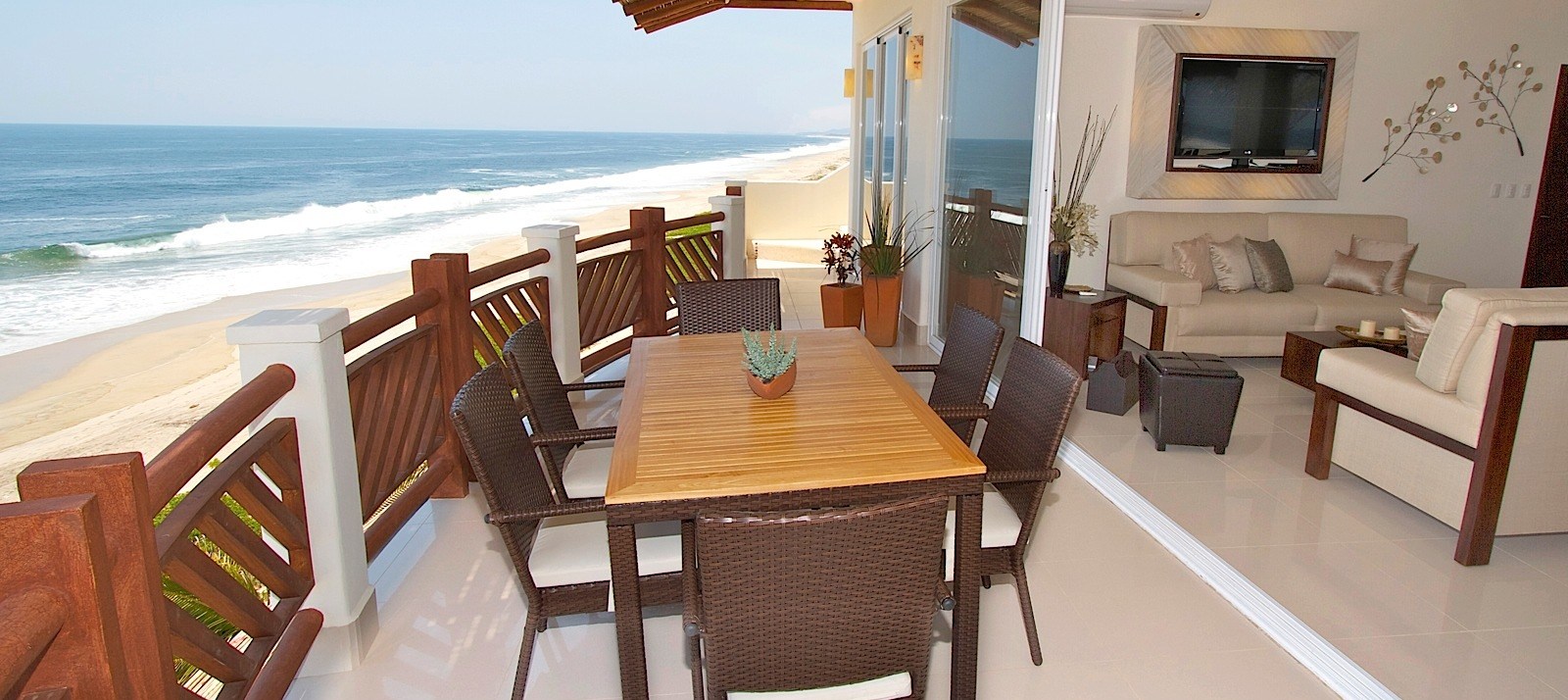
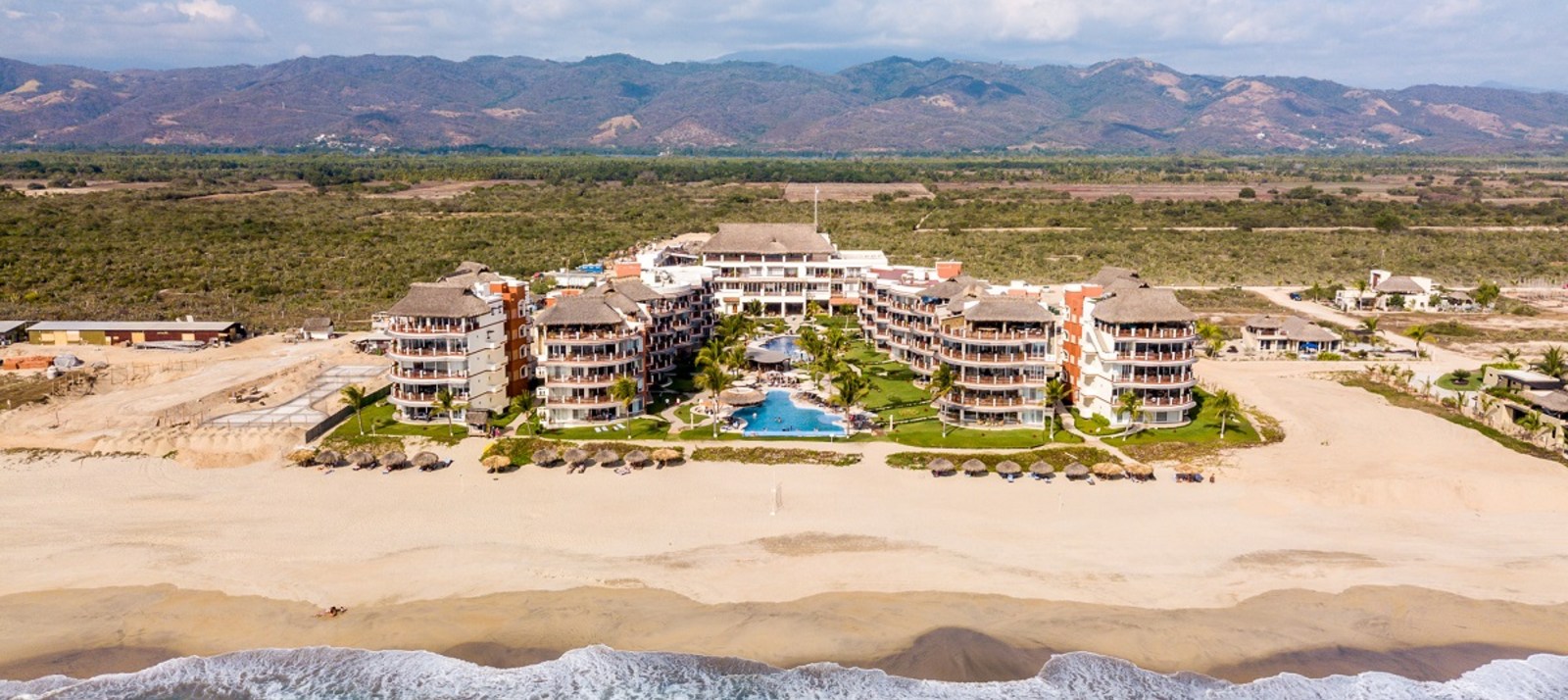
Playa Palmarito, beside Vivo Resorts, offers a quieter setting away from the busiest urban beaches. Guests can arrange a boat excursion from a nearby marina or combine a coastal drive with a wildlife tour. Returning to a spacious suite, ocean-view terrace, pool, or spa makes the day especially easy for couples and families.
Mazunte and San Agustinillo
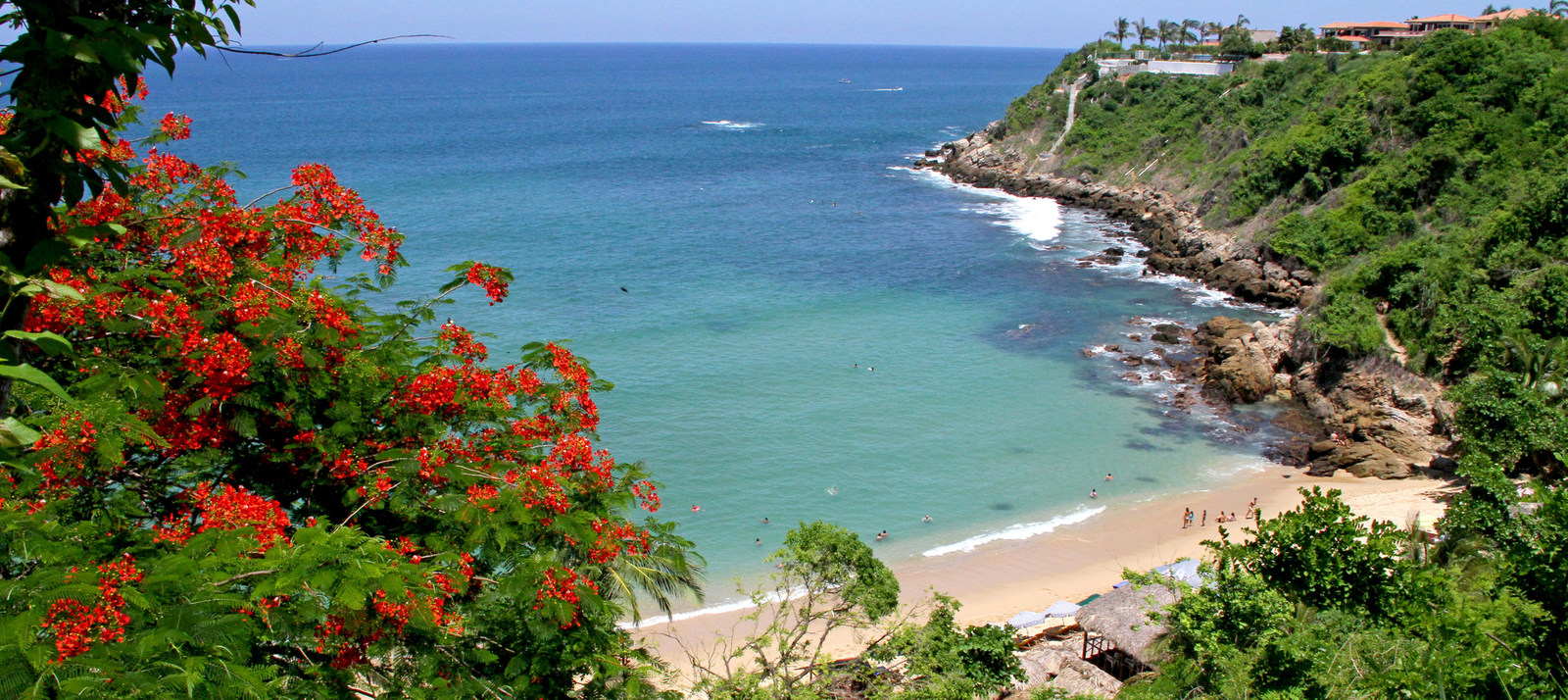
The villages of Mazunte and San Agustinillo lie west of Puerto Escondido and are known for relaxed beaches, coastal viewpoints, and access to marine activities. Their surrounding waters can be productive during the winter migration, particularly when calm conditions allow boats to travel farther offshore.
Mazunte is also home to the Mexican Turtle Center, making the area a worthwhile stop for travelers interested in conservation and local marine life. A visit can complement whale watching with insight into the nesting, rehabilitation, and protection of sea turtles along Oaxaca’s beaches.
San Agustinillo has a small-scale, intimate atmosphere that suits travelers who prefer a quieter excursion. Boat rides from the area may focus on whale watching, dolphin encounters, fishing, or exploring secluded coves. Check departure details in advance, since availability and launch points can vary by season.
Puerto Ángel and Huatulco waters
Puerto Ángel, farther east, is another useful base for exploring the open Pacific. Its fishing harbor supports local boat operators familiar with the coastline, and trips can combine whale searches with visits to beaches, sea arches, and snorkeling areas.
Huatulco’s bays offer additional access to whale habitat, especially for visitors extending their trip along the coast. The protected bays can provide calmer conditions for part of an excursion, while the route toward open water gives boats the chance to encounter migrating humpbacks.
These destinations are farther from Puerto Escondido than the local departure points, so they work best as part of a multi-day Oaxaca itinerary rather than a rushed day trip. Travelers planning a romantic escape, family holiday, or destination wedding planning experience can build marine excursions into a broader coastal schedule.
| Viewing area | Typical access | Wildlife possibilities | Best suited to |
|---|---|---|---|
| Puerto Escondido | Local boat tours from waterfront areas | Humpback whales, dolphins, turtles, rays | First-time visitors and short stays |
| Playa Palmarito | Excursion arranged near the resort | Whales, dolphins, seabirds, coastal wildlife | Resort guests and families |
| Mazunte | Small local boats and coastal viewpoints | Whales, dolphins, turtles | Nature-focused day trips |
| San Agustinillo | Seasonal boat outings | Whales, dolphins, coves, seabirds | Quiet beach travelers |
| Puerto Ángel | Harbor-based tours | Whales, dolphins, sea turtles | Fishing village and wildlife itineraries |
| Huatulco | Organized marine excursions | Whales, dolphins, rays, tropical birds | Longer Oaxaca coast journeys |
What makes a responsible tour
A quality whale watching operator places animal welfare before proximity. Boats should approach slowly, maintain a respectful distance, avoid cutting across a whale’s path, and never chase an animal that is trying to move away. Captains should also limit the number of vessels surrounding one whale or pod.
Travelers can support responsible practices by choosing licensed local operators, following crew instructions, and keeping voices low when animals surface nearby. Touching wildlife, feeding animals, throwing objects into the water, and using drones near boats or whales should be avoided.
Bring reef-conscious sunscreen, a hat, sunglasses with a secure strap, light layers, and a waterproof phone case. Even on warm days, wind across open water can feel cool. Motion-sickness medication may be useful for sensitive passengers, particularly on longer offshore trips.
Planning a comfortable whale watching day
Reserve during the peak migration months if whale sightings are the primary goal, and allow flexibility for weather-related changes. A second possible outing gives travelers a better chance of encountering whales without putting pressure on a single departure.
Families should ask about boat size, trip duration, shade, restrooms, and life jackets before booking. Young children may enjoy a shorter coastal cruise, while older children and adults may prefer a longer search in deeper water. Couples can pair a morning wildlife tour with a quiet afternoon by the beach or a treatment at the resort spa.
Vivo Resorts works well as a base because guests can balance adventure with unhurried time on Playa Palmarito. Spacious residences, private villas, multiple dining options, pools, and ocean views make it simple to recover from an early departure and enjoy the coast at a slower pace.
Practical tips for better sightings
- Travel between December and March for the strongest chance of seeing migrating humpback whales.
- Choose an early departure when sea conditions are often calmer and temperatures are comfortable.
- Book with a licensed local captain who follows wildlife-viewing distances and seasonal regulations.
- Leave room in the itinerary for a weather delay or a second excursion.
- Pair the boat trip with dolphin, turtle, coastal beach, or conservation experiences.
Whale season adds a remarkable dimension to a Puerto Escondido vacation, whether the sighting is a distant spout or a full breach beside the boat. Plan a stay near Playa Palmarito, arrange a responsible marine excursion, and let the Pacific’s winter migration become one of the defining moments of your Oaxaca getaway.