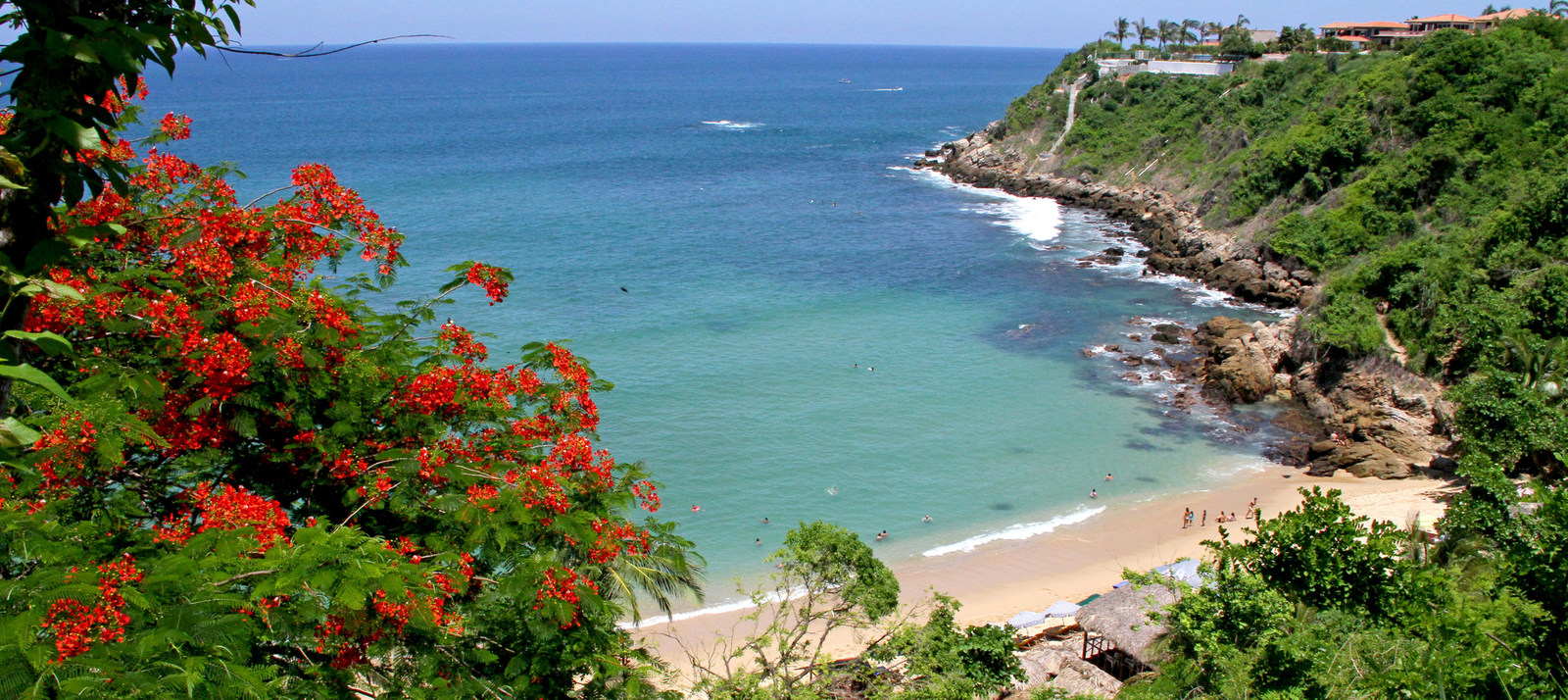
Sunset Photography Spots at Vivo Resorts
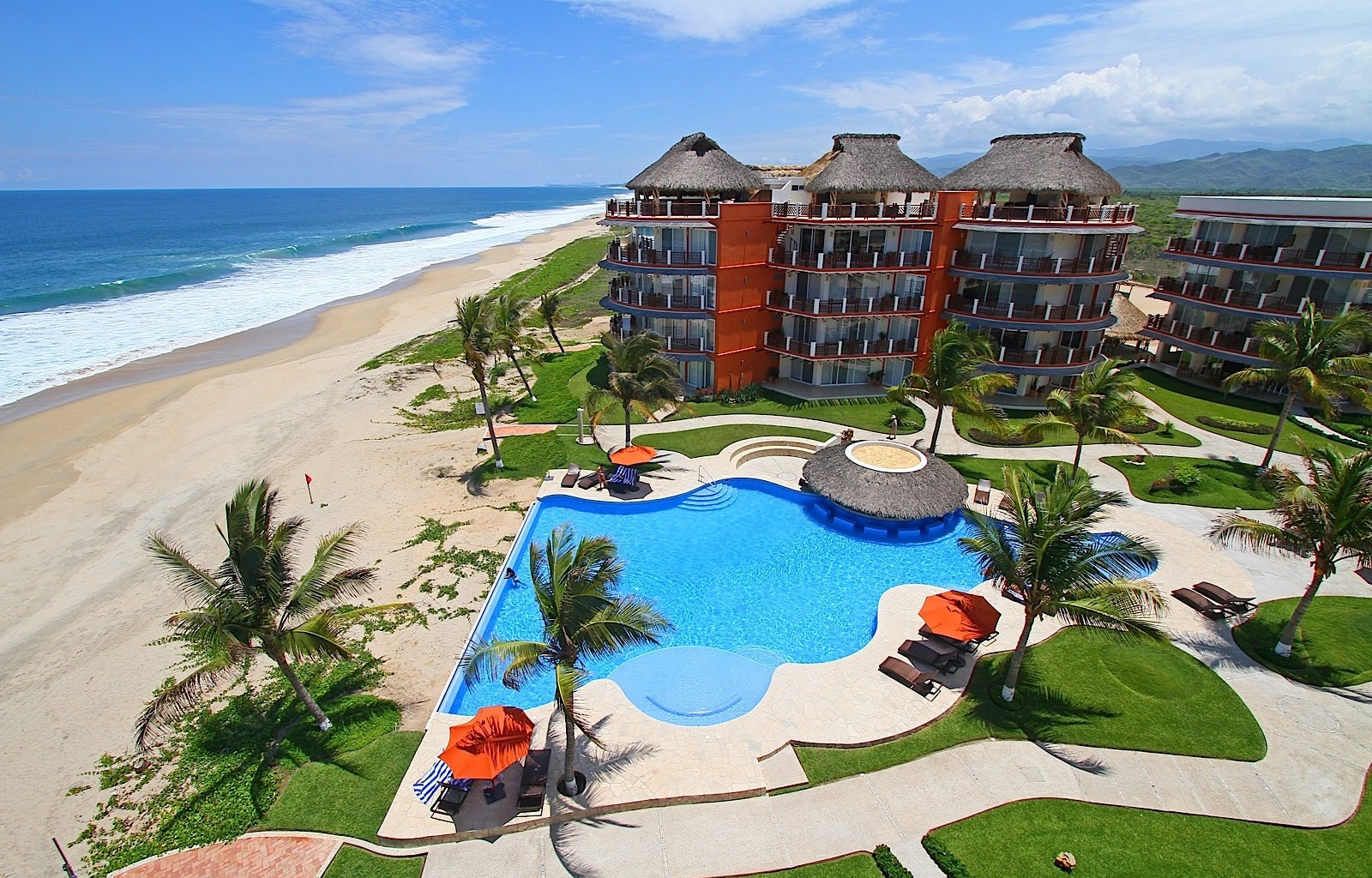
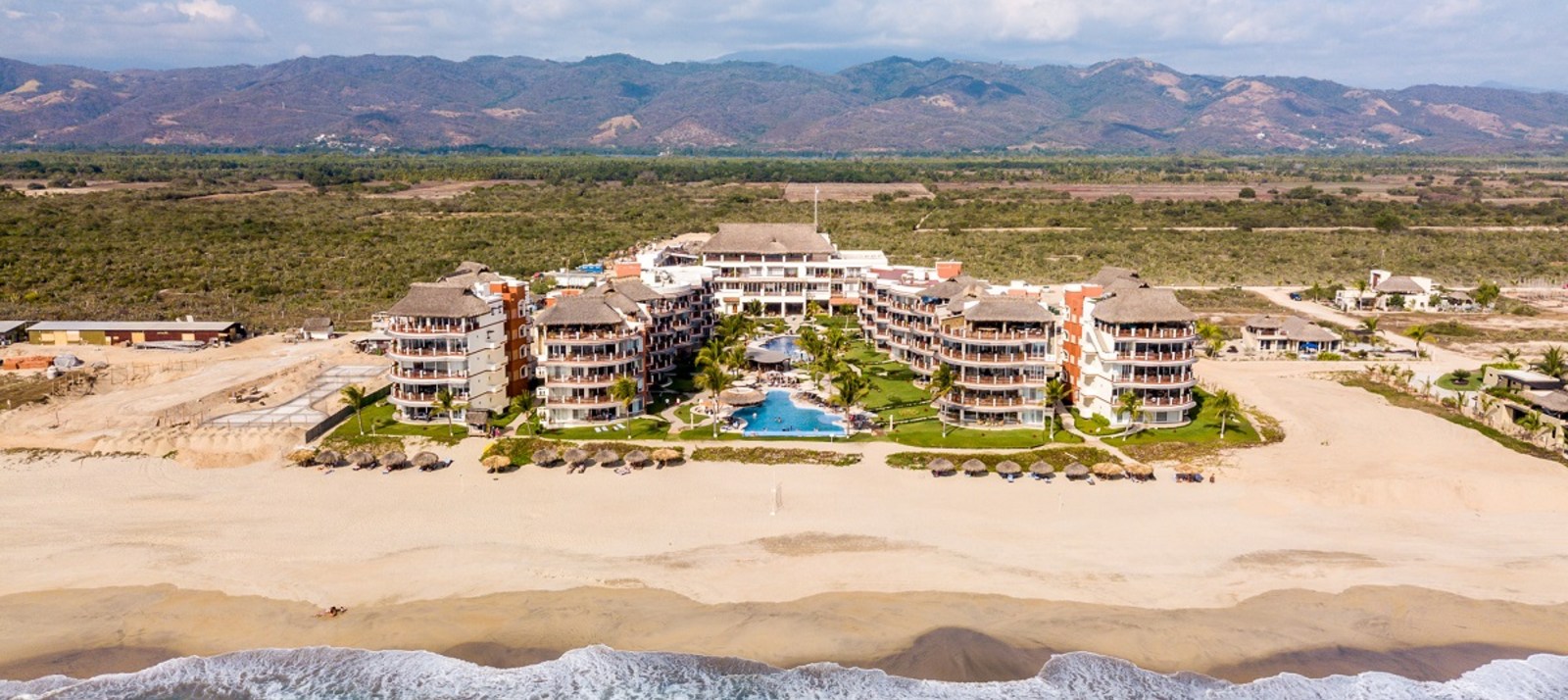
At Vivo Resorts, the Pacific horizon creates a natural stage for changing color, soft silhouettes, and reflections that shift by the minute. Playa Palmarito’s broad shoreline, ocean-facing residences, pools, and landscaped spaces give photographers several ways to capture the same sunset with a different mood.
The best sunset photography spots on the Vivo Resorts property are easy to reach without turning the evening into a complicated expedition. A few minutes of planning can help you find clean sightlines, flattering light, and comfortable places to wait as the sun drops below the water.
Whether you are photographing a romantic escape, a family holiday, or a destination wedding, the resort offers plenty of opportunities for polished images and spontaneous moments. Browse the Vivo Resorts website to see the accommodations and amenities that can shape your stay.
Read the Pacific Light
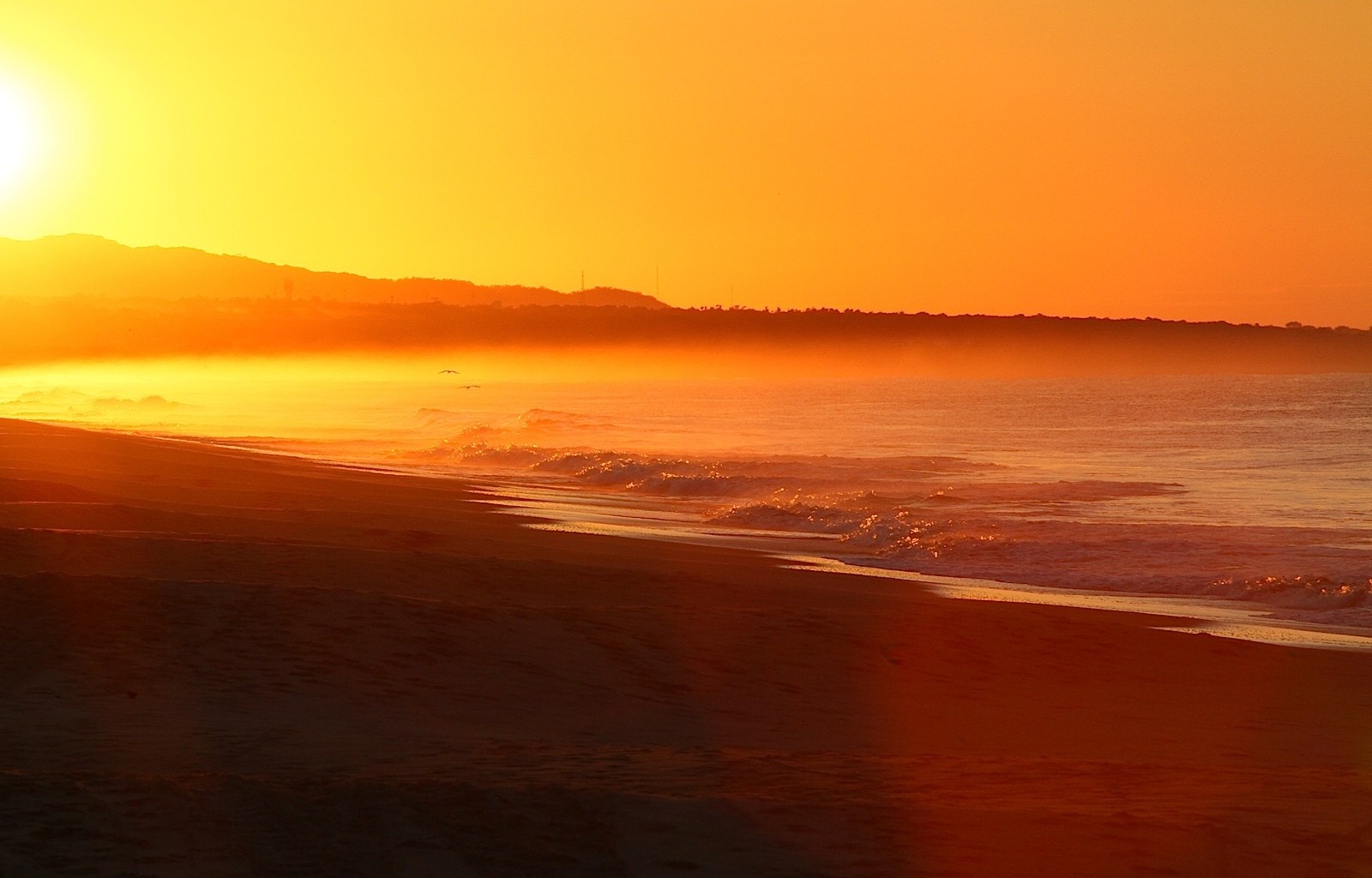
The western-facing coast is the main attraction during golden hour. As the sun lowers toward the Pacific, the sky may move through pale yellow, orange, coral, pink, and violet. Clouds often add texture, while a clear evening can produce a simple, graphic horizon.
Arrive at least 30 minutes before sunset so you can observe how the light falls across the property. The brightest colors do not always appear when the sun is visible; some of the richest tones can arrive several minutes afterward, when the horizon glows beneath darker clouds.
Exposure can change quickly during this period. Check the sky and the foreground separately, and use exposure compensation if the beach or silhouettes look too dark. Shooting in RAW gives you greater flexibility when balancing bright skies with shaded subjects.
Playa Palmarito Shoreline
The beach is the most versatile location for sunset images. Stand near the waterline for a low perspective that places ripples, wet sand, and foam in the foreground. Reflections can create a second band of color beneath the real sky, especially when the tide leaves a smooth, mirror-like surface.
Walk along the shore to vary your composition rather than taking every frame from the same point. A curve in the beach can lead the eye toward the horizon, while a solitary figure, piece of driftwood, or line of footprints can add scale without distracting from the sunset.
Keep an eye on the incoming waves and protect your equipment from spray. A microfiber cloth, lens hood, and small dry bag are useful additions. For portraits, position your subject at an angle to the last light or expose for the sky to create a clean silhouette.
Terraces, Balconies, and Ocean Views
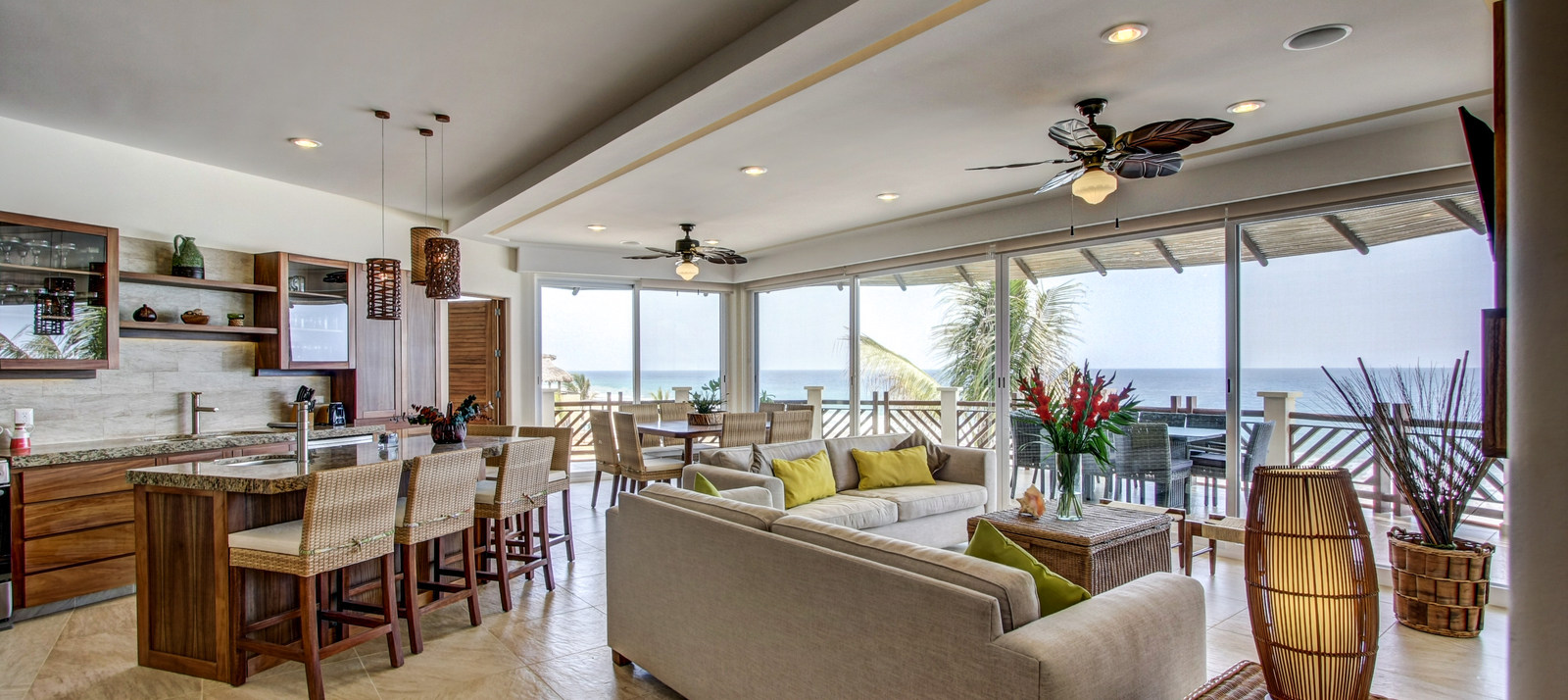
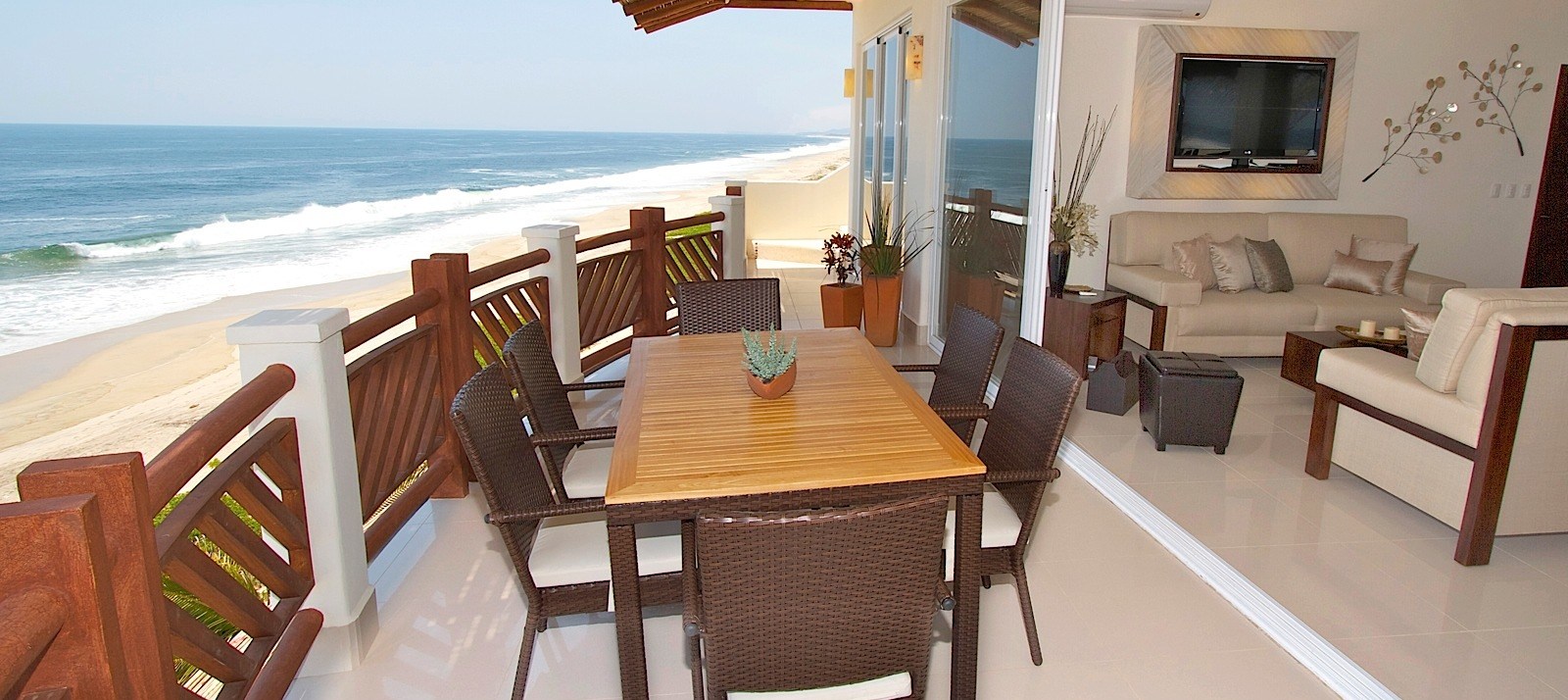
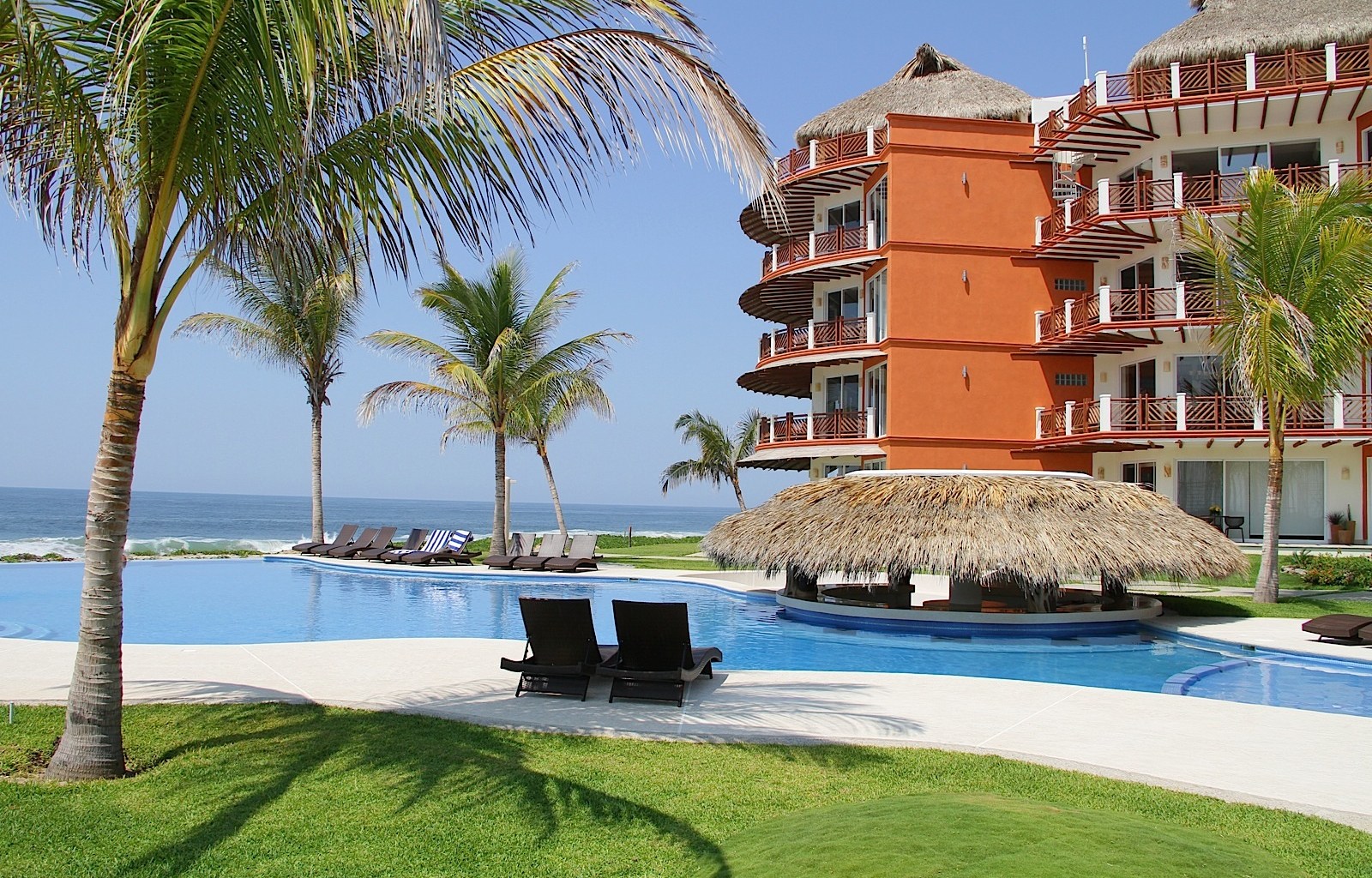
Private terraces and balconies offer a calm elevated viewpoint, particularly for travelers who want to photograph without carrying equipment down to the beach. From these spaces, you can frame the sunset with architectural lines, balcony railings, palm foliage, or the open sweep of the ocean.
A wide-angle lens works well for including the residence and surrounding view, while a short telephoto lens can compress the sun, horizon, and distant silhouettes. Keep vertical lines straight, and remove distracting objects from the frame before the sky becomes colorful.
These elevated spots are also ideal for lifestyle photographs. A glass, book, breakfast setting, or pair of chairs can suggest a relaxed evening without overwhelming the scene. For a couple’s trip, the resort’s romantic getaway itinerary can help shape a day that ends with golden-hour photographs.
| Location | Best visual effect | Useful approach |
|---|---|---|
| Playa Palmarito beach | Reflections, silhouettes, and leading lines | Use wet sand and low angles |
| Ocean-facing terrace | Comfortable, composed resort views | Include architectural framing |
| Pool deck | Water reflections and relaxed portraits | Photograph before pool lights dominate |
| Landscaped paths | Layered foregrounds and tropical shapes | Use palms or foliage as silhouettes |
| Dining terrace | Sunset atmosphere and lifestyle scenes | Capture table details before dusk |
Poolside Reflections and Resort Details
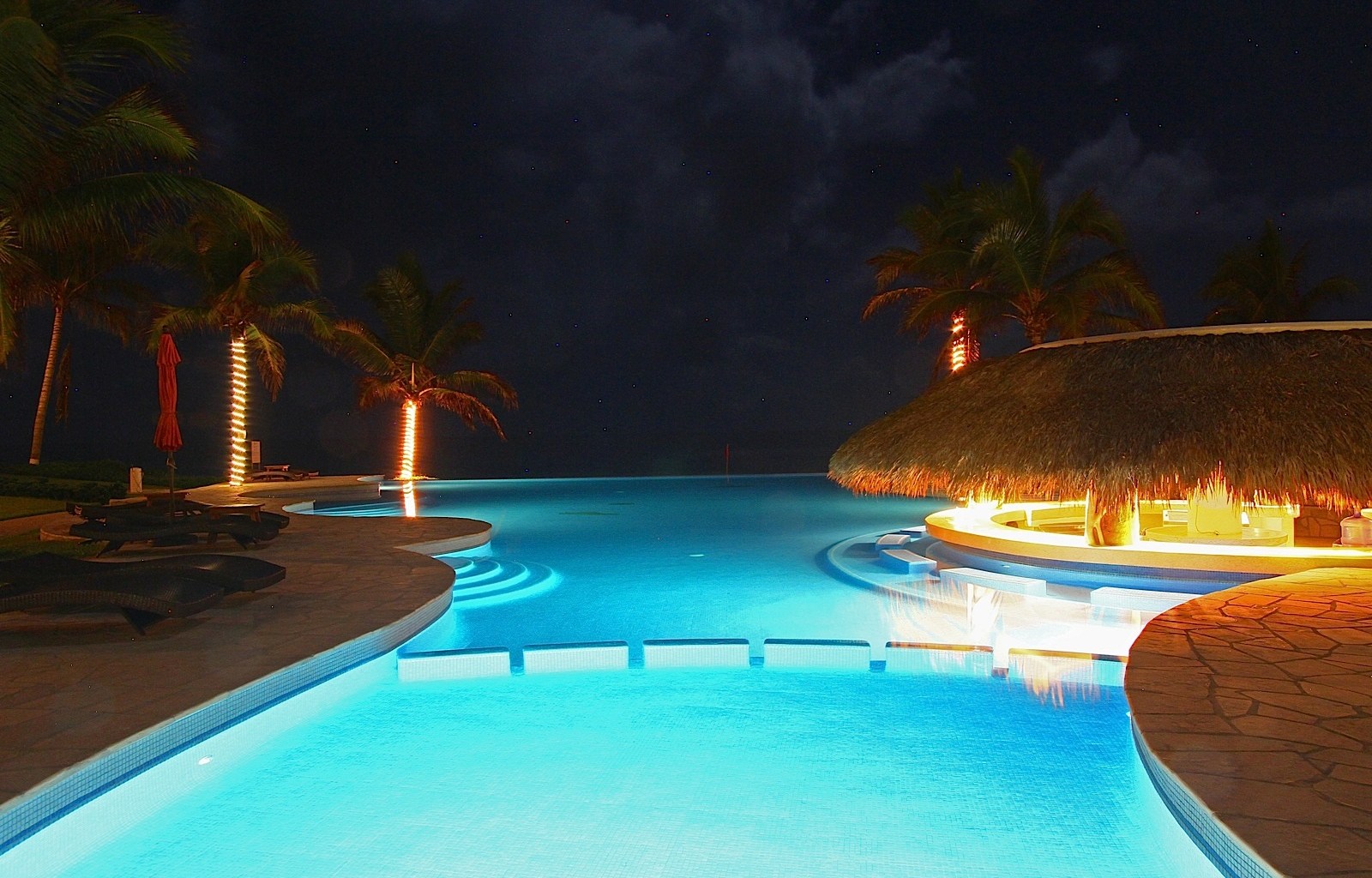
The pool areas can provide a softer alternative to the open beach. Water catches the final light and may reflect warm colors across the surface, while loungers, palms, and clean architectural forms create orderly compositions. Photographing from the edge of the pool can produce a layered image with water in the foreground and sky beyond.
The most successful pool photographs often happen before the sun reaches the horizon. During the last 20 minutes of daylight, look for reflections on still water, long shadows across the deck, and guests enjoying the evening at a respectful distance. A polarizing filter can reduce glare, although it may also weaken reflections, so rotate it carefully.
Resort details can make a sunset gallery feel more personal. Capture a table prepared for dinner, a hand holding a cool drink, or a quiet corner lit by the remaining daylight. Ask permission before photographing identifiable guests, and avoid using flash when it could disturb diners or swimmers.
Gardens and Architectural Framing
Landscaped paths and tropical planting add depth to sunset compositions. Place a palm, flowering plant, or textured wall in the foreground and leave the bright horizon visible beyond it. This approach creates a sense of place and avoids images that show only sky and water.
Look for natural frames created by leaves, balconies, entrances, and shaded walkways. Exposure should favor the bright background when you want graphic silhouettes. If you want to preserve detail in the plants or building, make a second, brighter exposure and compare the results later.
Architecture can also provide strong geometric contrasts against organic colors. Straight edges, repeating balconies, and open terraces work especially well when the sky is dramatic. Move slowly through the property, since a small change in position can remove a distracting pole or align the sun with a more interesting feature.
Timing, Settings, and Composition
Sunset photography benefits from a simple timeline. Use the first part of golden hour for portraits and scenes with visible detail, then shift toward silhouettes and wider landscapes as the sun nears the horizon. Stay a little longer for blue hour, when cooler tones balance the remaining warmth in the sky.
A tripod is helpful for low-light images after sunset, especially when photographing the resort exterior or a still-life scene. If you are working handheld, raise the ISO gradually, keep your shutter speed fast enough for movement, and stabilize the camera against a railing when appropriate.
For stronger compositions:
- Arrive early and scout two or three nearby viewpoints.
- Pack a wide-angle lens, a standard lens, and a fully charged spare battery.
- Use the rule of thirds as a starting point, then try centered horizons and reflections.
- Photograph both horizontal and vertical frames for albums, prints, and social media.
- Review highlights frequently so vivid clouds and the sun retain visible detail.
Make the Evening Easy
The best images come from an enjoyable evening rather than a rushed search for a perfect frame. Wear sandals or shoes suitable for sand, keep your camera strap secure, and confirm the sunset time before leaving your suite. If you are traveling with children, choose a location close to the pool or residence so everyone can participate comfortably.
Coordinate photography with dinner, spa time, or a walk along Playa Palmarito. A few carefully planned minutes can produce portraits, landscape photographs, and candid images without taking over the entire evening. For weddings and celebrations, discuss preferred locations and timing with the resort team ahead of the event.
Bring the camera back indoors before humidity and sea spray become a problem. Wipe the exterior, let cold equipment warm gradually in a sealed bag, and back up important files that night. With these habits, your sunset collection will preserve both the colors of the coast and the atmosphere of your stay.
Plan your golden-hour route at Vivo Resorts, choose a beach or elevated viewpoint, and leave enough time to watch the sky change after the sun disappears. A relaxed pace, thoughtful composition, and the Pacific horizon are all you need to create memorable photographs from your stay on Playa Palmarito.