Family-friendly dining options at Vivo Resorts for picky eaters
Traveling with children can make mealtimes feel like a daily negotiation. A new destination may bring unfamiliar flavors, different textures, and an exciting menu that adults love but young guests are reluctant to try. At Vivo Resorts, families can make dining more relaxed by combining familiar favorites with small opportunities to explore.
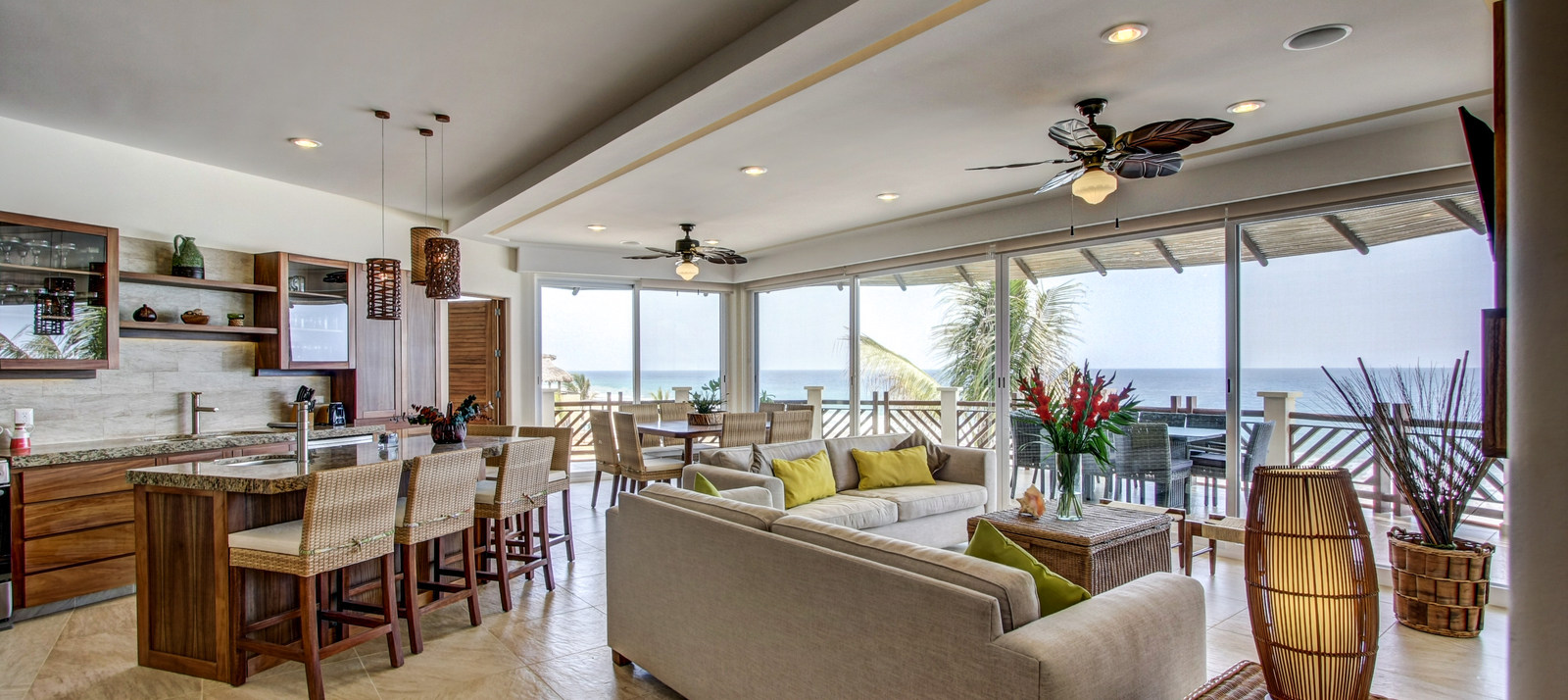
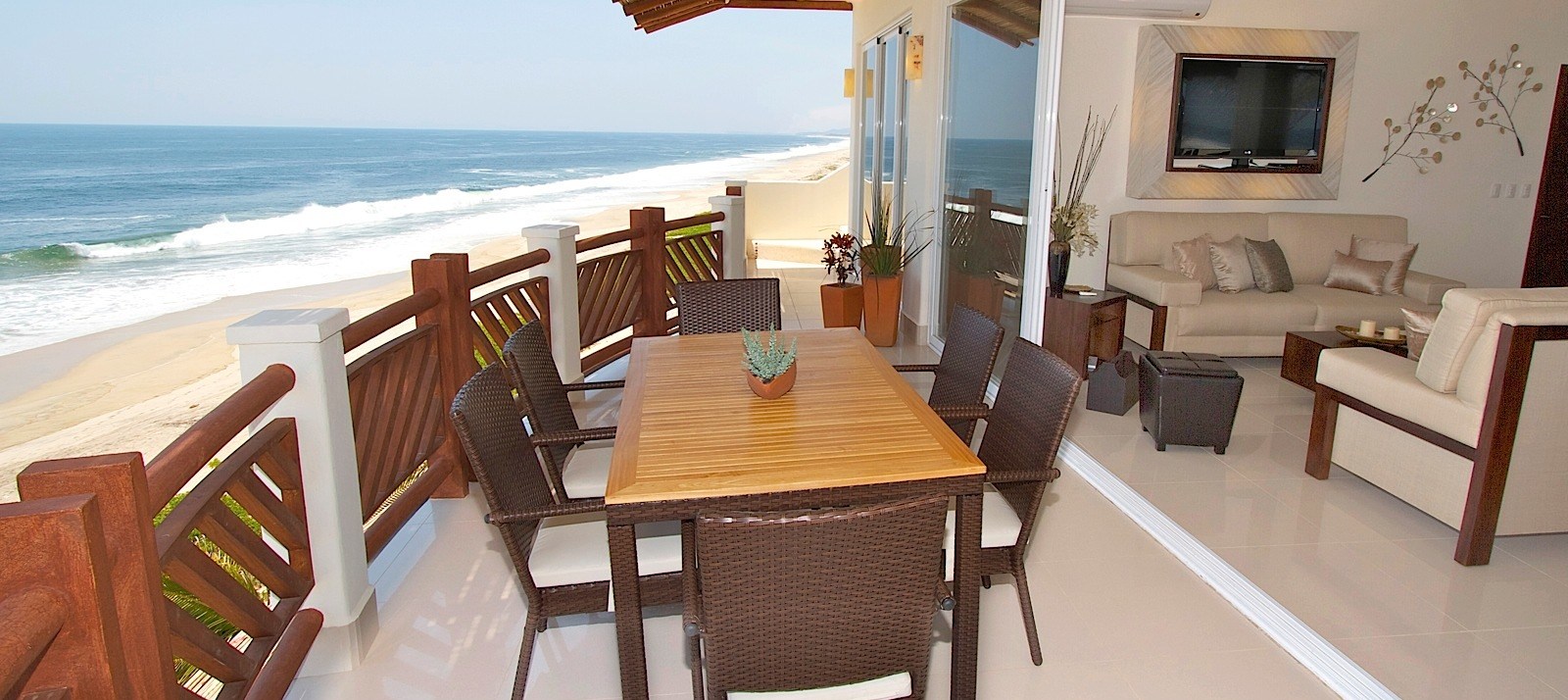
The all-suite setting is especially helpful for parents. Spacious residences and private villas give families room to organize snacks, rest between activities, and create a comfortable routine. With several places to eat, ocean views, pools, and nearby excursions, each day can be shaped around children’s energy levels and appetites.
The goal is not to persuade every child to sample something new. It is to make sure there is always a dependable option while keeping meals enjoyable for the whole family.
Start with the flexibility of a suite
A suite can make a significant difference when children wake up hungry, need a quick snack, or are not ready for a full restaurant meal. Parents can keep simple favorites available and use the residence as a calm place for breakfast, a mid-afternoon bite, or a light dinner after a busy beach day.
Pack familiar shelf-stable snacks from home, such as crackers, cereal bars, or dried fruit. Families preparing for a warm-weather trip may also find useful ideas in this beach vacation packing guide, especially when planning for children with strong food preferences.
This flexibility removes pressure from restaurant meals. A child can eat a small portion in the suite and still join the family at dinner, while parents have more freedom to enjoy local specialties and resort dining experiences.
Look for familiar building blocks
Picky eaters often respond better to recognizable ingredients than to an entirely new dish. At a resort restaurant, parents can scan menus for simple building blocks such as rice, fresh fruit, vegetables, grilled proteins, tortillas, bread, potatoes, or plain pasta. These items can often be combined into a meal that feels safe without requiring a separate children’s menu.
Sauces, dressings, garnishes, and mixed textures may be the main reason a child refuses a dish. Asking for components separately can help. A plain tortilla, grilled chicken without sauce, or fruit served apart from other ingredients may be more appealing than a fully assembled plate.
It is also useful to order one dependable item alongside something new. A child who accepts rice or fruit may be more willing to taste a small portion of a regional dish when a familiar food is already on the plate.
Match meals to the rhythm of the day
Children are more likely to eat well when meals fit their routine. Breakfast before swimming, an early lunch after time on the sand, and a relaxed dinner before bedtime can work better than expecting young guests to wait through long gaps between meals.
Vivo Resorts’ beachfront location makes it easy to connect dining with family activities. Parents can plan filling meals before an excursion and keep afternoon snacks ready for the return. Shorter dining visits may also suit younger children better than lingering over every course.
Sharing plates can be a practical approach for families. Adults can order a selection of dishes, then invite children to choose a small taste without turning the meal into a test. This style gives picky eaters control while allowing everyone to experience the variety of coastal Mexican cuisine.
| Dining approach | Why it helps picky eaters | Parent-friendly tip |
|---|---|---|
| Familiar side with a new dish | Creates a safe starting point | Let the child choose the familiar item |
| Ingredients served separately | Reduces texture and sauce concerns | Request sauces or toppings on the side |
| Shared plates | Encourages low-pressure tasting | Offer small portions rather than a full serving |
| Suite snack before dinner | Prevents hunger-related frustration | Keep the snack light enough to preserve appetite |
| Early meal after activities | Works with children’s energy levels | Plan dinner before overtiredness sets in |
Handle allergies and dietary needs clearly
Families managing allergies, intolerances, or specific dietary requirements should explain those needs to the restaurant team before ordering. Clear information about ingredients and preparation helps staff guide parents toward suitable choices. It is wise to carry any essential medication and communicate serious allergies consistently throughout the stay.
A child who follows a restricted diet may feel more comfortable when parents bring a few trusted snacks and describe preferred ingredients in simple terms. Even without demanding a completely separate meal, families can often identify flexible options such as fresh fruit, plain rice, grilled foods, or vegetables.
Parents should also consider texture and temperature preferences. Some children accept only crunchy foods, while others prefer soft, mild, or room-temperature items. Sharing those details can make the dining experience smoother and reduce waste.
Add local flavors at an easy pace
Puerto Escondido and the surrounding Oaxaca coast offer memorable food experiences, but children do not need to embrace every new flavor immediately. Begin with ingredients that resemble foods they already enjoy, then introduce regional touches gradually. Fresh fruit, handmade tortillas, grilled seafood, or mild versions of local dishes can provide gentle first steps.
Families can also make food part of an excursion without making it the central challenge. A trip into Puerto Escondido may give children the chance to see local life, browse markets, or choose a familiar snack while parents sample something different.
Avoid presenting local food as an obligation. A child who watches parents enjoy a new dish may become curious later, especially when tasting is optional and the family atmosphere remains positive.
Make mealtimes easier for everyone
A few simple habits can help parents manage family dining throughout a beach vacation:
- Bring two or three familiar snacks for transitions, travel, and unexpected hunger.
- Review menus early so children can choose before they become tired or impatient.
- Ask for sauces, toppings, and mixed ingredients on the side when possible.
- Keep portions modest and allow children to request more if they are still hungry.
- Praise curiosity rather than focusing on how much new food a child finishes.
Parents should also leave room for changing preferences. Heat, swimming, sun exposure, and excitement can affect appetite from one meal to the next. A child who eats lightly at lunch may be ready for a larger dinner, while another may prefer several small snacks.
At Vivo Resorts, family-friendly dining is easiest when parents use the resort’s flexibility to create balance: familiar foods for reassurance, fresh choices for discovery, and enough space to keep meals relaxed. Plan your family’s dining rhythm before arrival, then enjoy the beach, suite comforts, and resort restaurants at a pace that suits everyone.