Exploring Turtle Conservation Along Oaxaca’s Coast
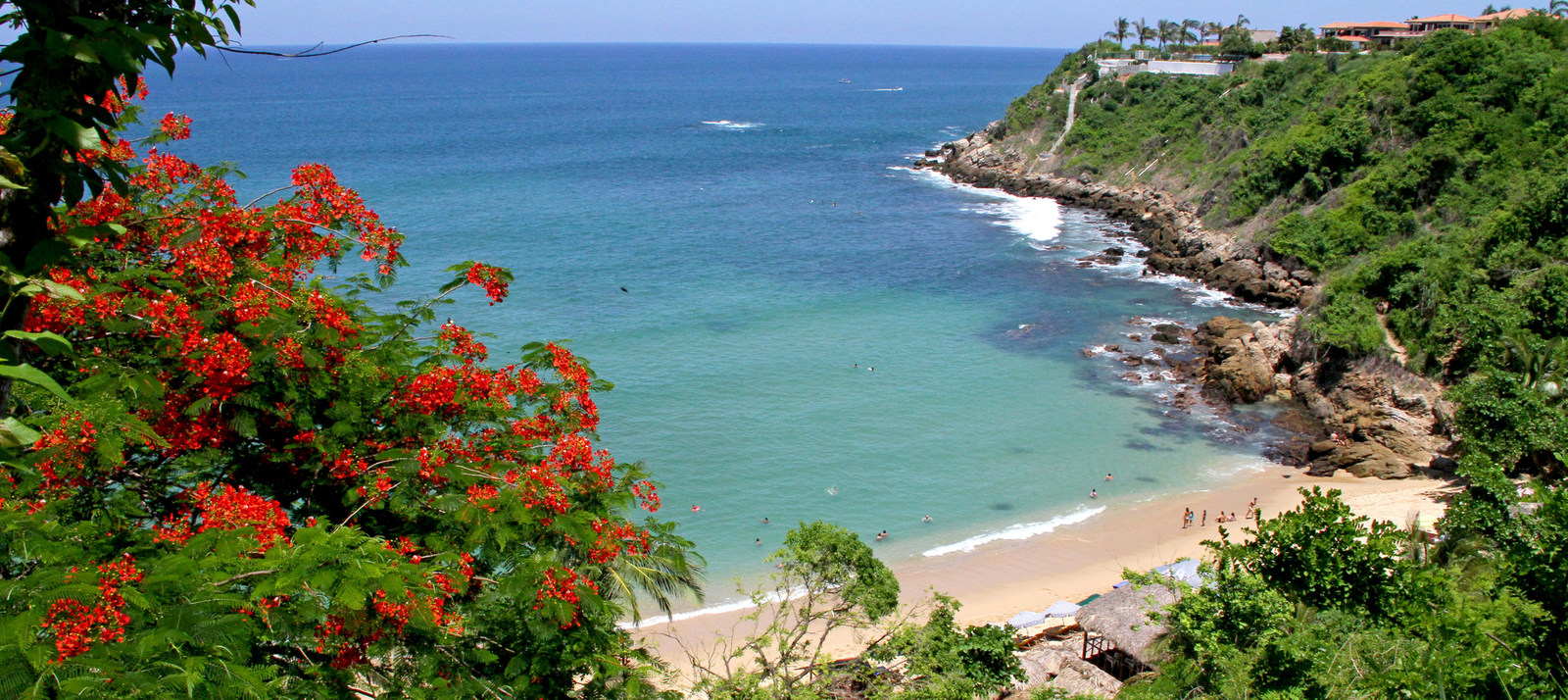
The Pacific coast of Oaxaca is shaped by the sea, but its story extends far beyond surf breaks and sunset views. Along beaches near Puerto Escondido, olive ridley sea turtles return to shore to nest, creating one of Mexico’s most moving wildlife experiences. A visit can combine time on the sand with a deeper understanding of the people protecting this fragile cycle.
Vivo Resorts on Playa Palmarito offers a comfortable base for exploring the coastline. Spacious residences, private villas, ocean views, pools, restaurants, and family amenities make it easy to enjoy a beach holiday while leaving room for a conservation-focused excursion. The resort’s Puerto Escondido guide can help travelers become familiar with the surrounding area before planning coastal adventures.
The most rewarding visits are quiet and respectful. Turtle conservation depends on limiting artificial light, avoiding disturbance, and supporting trained local teams rather than treating nesting beaches as entertainment venues.
Why Oaxaca’s Turtle Beaches Matter
Several species of sea turtle use Mexico’s Pacific shoreline, including olive ridleys, leatherbacks, and black turtles. The olive ridley is especially associated with mass nesting events known as arribadas, when thousands of turtles may arrive during a short period. These events are natural, unpredictable, and influenced by tides, weather, and ocean conditions.
Playa Escobilla, west of Puerto Escondido, is widely recognized as one of the region’s important olive ridley nesting beaches. During the nesting season, trained personnel patrol the shore, protect eggs from predators and illegal collection, and guide visitors through controlled areas. The experience is less about guaranteeing a close encounter and more about witnessing a vital natural process without interrupting it.
What Happens At A Turtle Sanctuary
Conservation programs may include night patrols, nest monitoring, hatchling protection, environmental education, and the release of young turtles. Local teams record nesting activity and relocate vulnerable nests when necessary, especially where erosion, flooding, predators, or human activity create serious risks.
Some visitor programs include a supervised hatchling release. When conditions are appropriate, guests may watch young turtles move toward the water from a designated area. The release should always be led by authorized guides. Handling hatchlings, using flash photography, or placing them directly in the ocean can interfere with their natural orientation and reduce their chances of survival.
A sanctuary visit also reveals the practical side of conservation. Protecting turtles requires regular work long after tourists leave: maintaining signage, coordinating patrols, educating communities, and reducing threats along the beach. Entrance fees and responsible tour spending can help sustain these efforts when they are paid to legitimate local organizations.
Choosing The Right Excursion
Travelers staying at Vivo Resorts can ask the concierge or excursion team about current access conditions, seasonal nesting activity, and reputable operators. Wildlife schedules change, so a responsible provider will explain that sightings and releases cannot be guaranteed. This transparency is a positive sign rather than a drawback.
The best excursion length depends on the group. Couples may prefer a quiet evening visit focused on nesting behavior, while families might enjoy an educational daytime program followed by a supervised release if one is available. Travelers should allow flexibility in their itinerary because turtle activity follows nature, not a fixed timetable.
| Experience | What You May See | Best For | Responsible Practice |
|---|---|---|---|
| Nesting beach patrol | Adult turtles, tracks, protected nests | Wildlife enthusiasts | Follow guides and keep distance |
| Hatchling release | Young turtles moving toward the surf | Families and first-time visitors | Never touch or redirect hatchlings |
| Conservation talk | Local monitoring and protection methods | Curious travelers and students | Support authorized programs |
| Coastal eco-tour | Mangroves, birds, and shoreline habitats | Groups seeking a broader outing | Choose low-impact operators |
Preparing For A Night On The Beach
Turtle observation often takes place after sunset, when nesting females are less exposed to heat and human activity. Wear dark, comfortable clothing and shoes suitable for sand. A light jacket can be useful near the water, while insect repellent and drinking water add comfort during a longer wait.
Follow every instruction about phones, cameras, and lighting. Bright beams can disorient turtles and hatchlings, causing them to move inland instead of toward the reflected light of the ocean. Keep voices low, remain behind marked boundaries, and never stand between a turtle and the sea.
It is also wise to bring patience. A conservation visit may involve waiting in darkness or seeing tracks instead of a turtle. That slower rhythm is part of the experience and helps protect animals that have used these beaches for generations.
Conservation Beyond The Sanctuary
Sea turtle protection is connected to the health of the entire coast. Plastic waste, discarded fishing gear, coastal lighting, erosion, and unplanned development can affect nesting beaches and marine habitats. Simple choices by visitors—carrying reusable containers, removing beach waste, and avoiding single-use plastics—support the same ecosystems that conservation groups work to defend.
Guests can also learn about nearby mangroves, wetlands, and community-led environmental projects. In places such as La Ventanilla, local conservation initiatives show how habitat restoration, wildlife protection, and sustainable tourism can work together. These experiences broaden the focus from a single species to the coastal network that supports birds, fish, reptiles, and people.
At the resort, travelers can make sustainability part of their stay by using water thoughtfully, respecting wildlife, and choosing excursions that keep benefits within local communities. The Vivo Resorts experience provides a relaxed setting, while responsible exploration adds purpose to time spent on the coast.
Making The Experience Meaningful
A turtle sanctuary visit can become one of the most memorable parts of an Oaxaca vacation when it is approached as a learning experience rather than a photo opportunity. Before booking, confirm whether the program is community-led or officially authorized, ask how visitor fees are used, and check whether transportation and access rules are included.
For larger families or wedding groups, accommodation can shape the evening’s convenience. Travelers comparing space, privacy, kitchens, and shared areas can review this villa and residence comparison before choosing the best base for a coastal itinerary.
Responsible Ways To Participate
- Choose a licensed guide or established conservation program with clear visitor rules.
- Keep a generous distance from nesting turtles and follow marked paths.
- Avoid flash photography, bright lights, loud music, and touching wildlife.
- Carry reusable water bottles and take all personal waste away from the beach.
- Contribute through entrance fees, donations, or purchases from responsible local providers.
From Playa Palmarito, a turtle-focused outing can add a meaningful dimension to a beach escape. Plan your stay at Vivo Resorts, arrange a responsible excursion through the resort team, and experience Oaxaca’s coastline with care for the animals and communities that make it extraordinary.