A Seasonal Guide To Weather And Crowds Along Oaxaca’s Coast
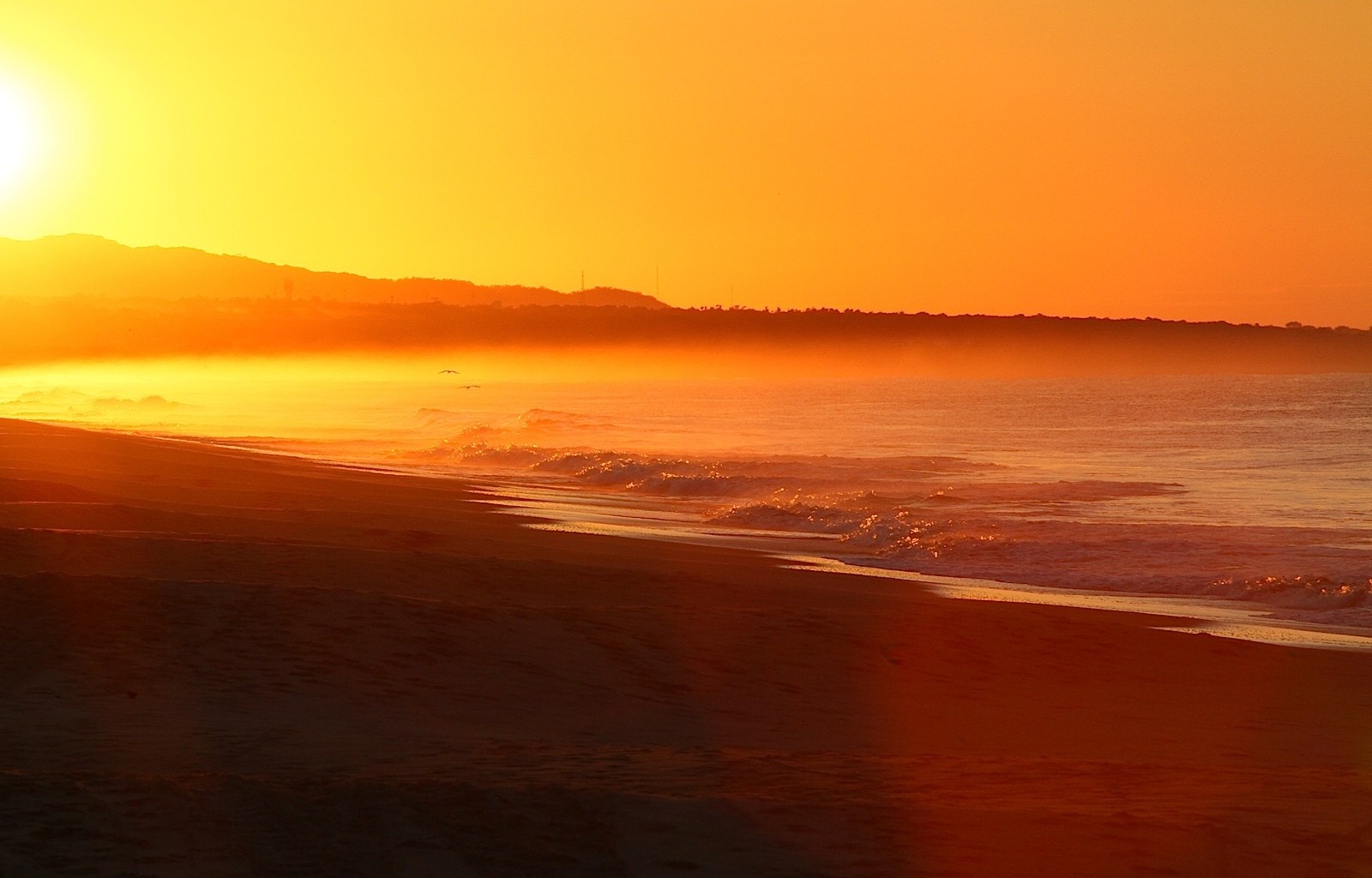
Oaxaca’s Pacific shoreline offers warm water, bright days, dramatic surf, and a travel rhythm that changes noticeably throughout the year. Puerto Escondido and the beaches south of town can feel lively and social during holiday periods, then wonderfully spacious when demand softens.
The best time to visit depends on the experience you want. Winter usually brings the most dependable sunshine and comfortable evenings, while summer delivers lush landscapes, powerful surf, and short but sometimes intense rainstorms. Autumn often rewards flexible travelers with quieter beaches and attractive rates.
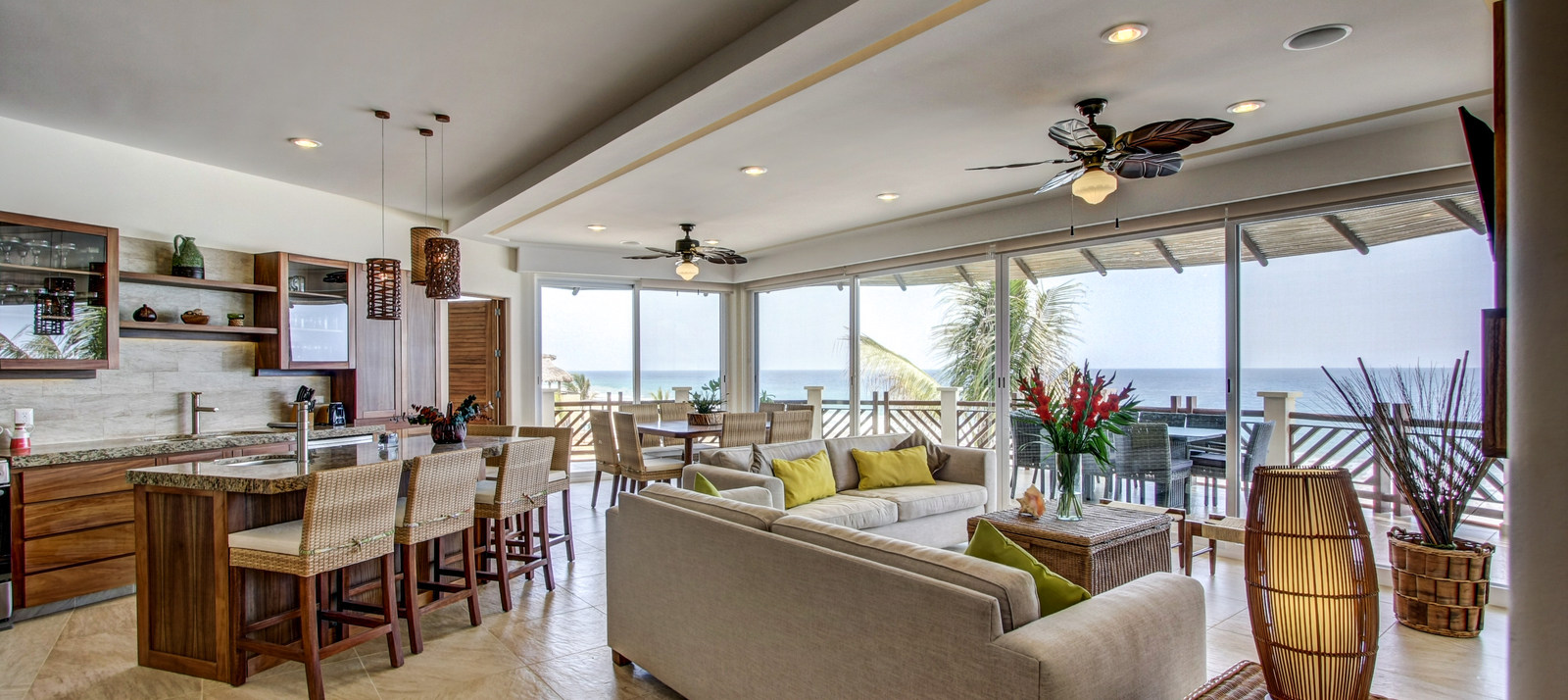
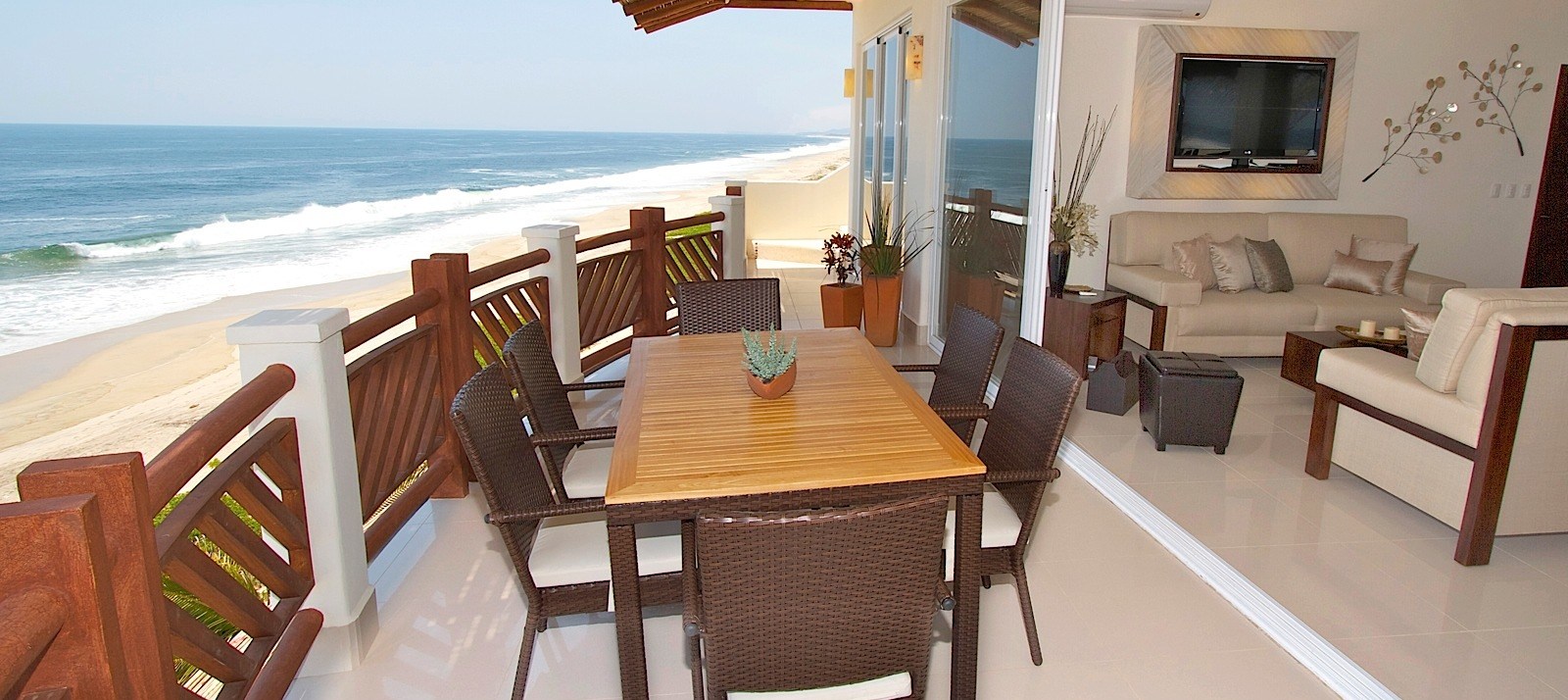
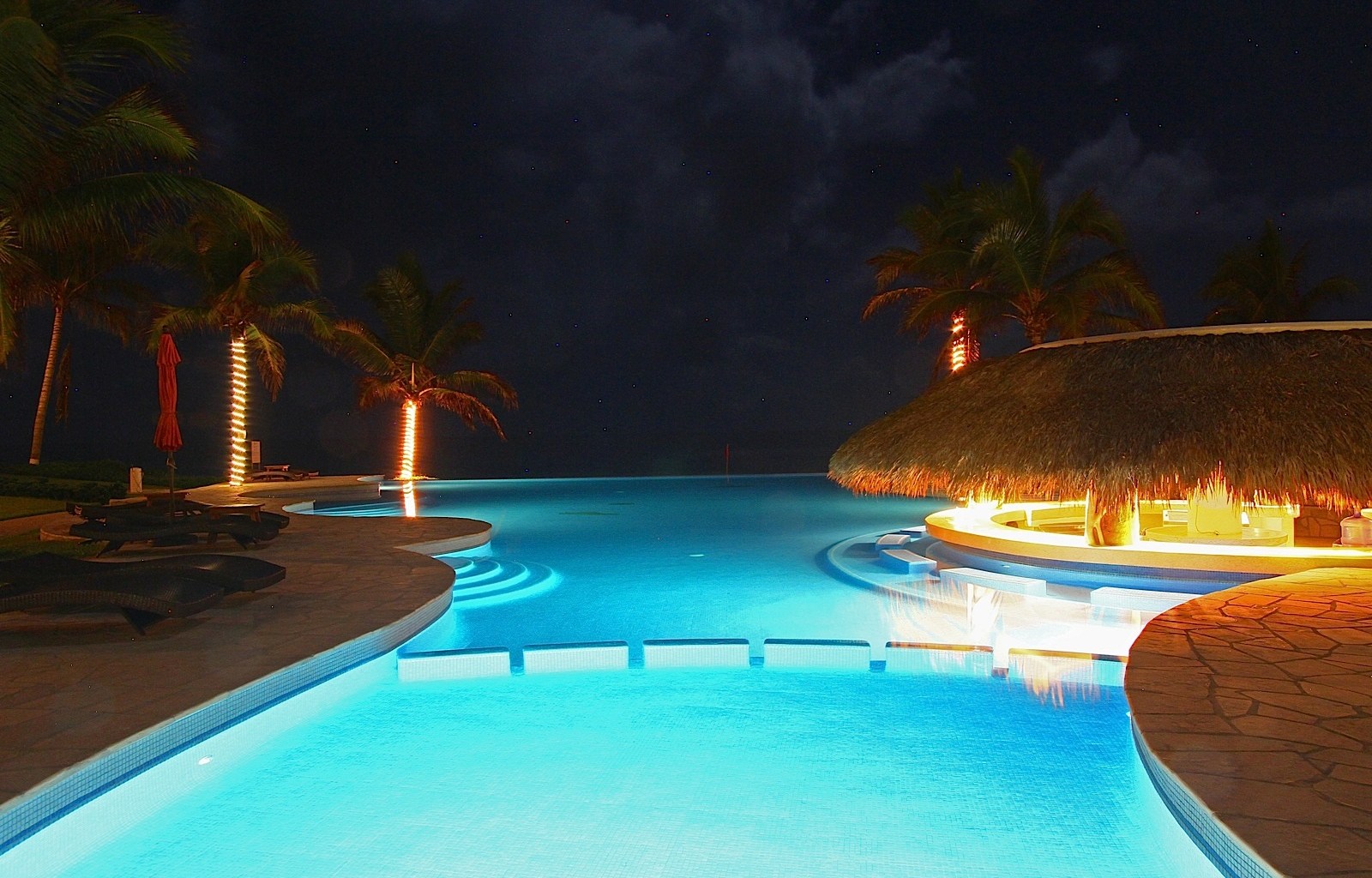
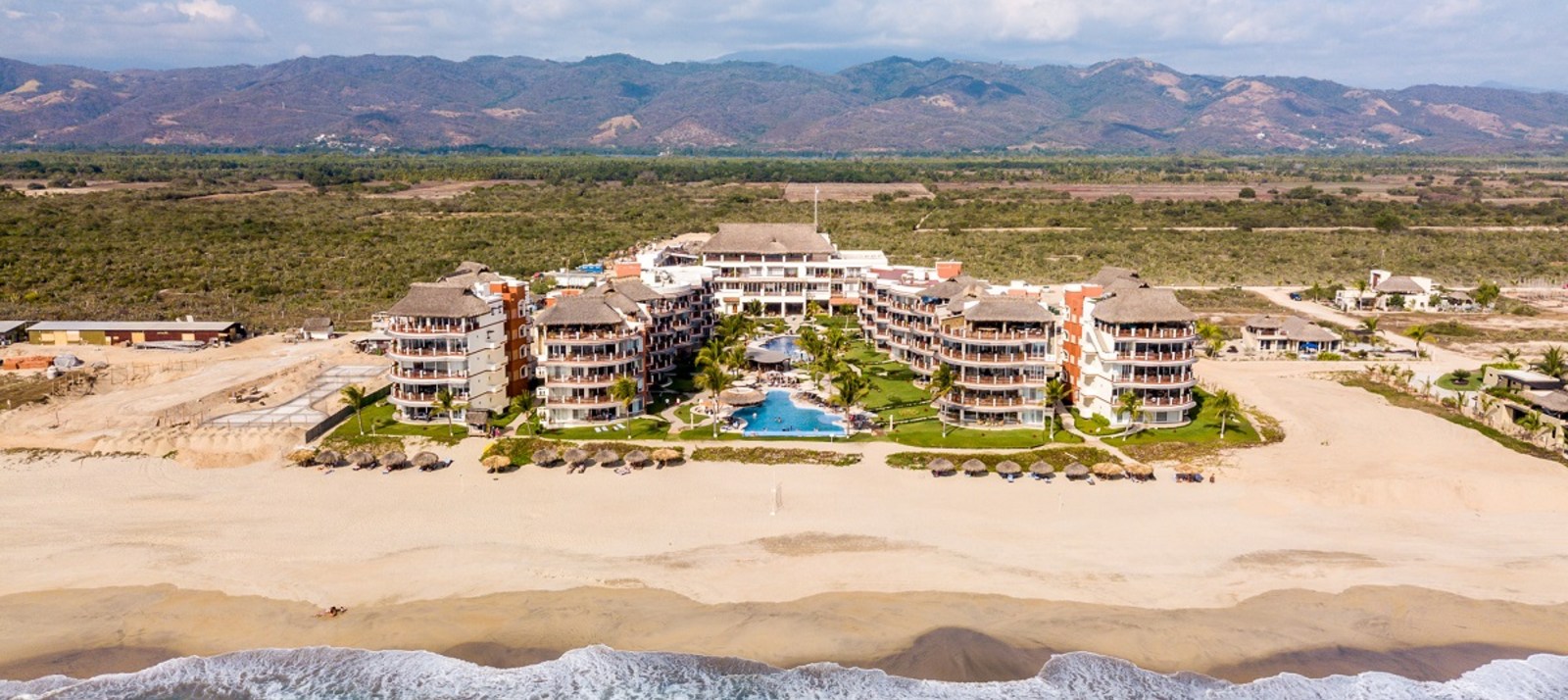
Playa Palmarito, home to Vivo Resorts, provides a peaceful base for enjoying these seasonal differences. Spacious suites, ocean views, pools, dining, and family-friendly facilities make it easy to balance excursions with unhurried time beside the sea.
Reading Oaxaca’s Coastal Climate
The coast has a tropical climate with warm temperatures throughout the year. Daytime highs commonly sit in the upper 20s Celsius, while humidity becomes more noticeable during the rainy season. Ocean temperatures remain inviting in every season, although surf conditions can change quickly depending on swell and wind.
The dry season generally runs from November through April. Rain is less frequent, skies are often clear, and evenings can feel pleasantly mild. From May through October, showers become more common, particularly in the late afternoon or evening. A rainy forecast does not necessarily mean a washed-out day; many storms pass quickly and leave the coast fresh and green.
Tropical systems are possible during the Pacific hurricane season, which officially extends from June through November. Direct impacts are not constant, but travelers should monitor forecasts and keep plans flexible when visiting during this period.
Winter Sun And Seasonal Demand
December through February is one of the most popular periods on the Oaxacan coast. Visitors arrive for warm beach weather, winter escapes, and festive celebrations. Christmas, New Year’s, and the first weeks of January can bring higher occupancy, busier restaurants, and stronger demand for airport transfers and excursions.
January and February are especially appealing for outdoor plans. Clear mornings suit boat trips, coastal drives, and visits to nearby beaches, while cooler evenings are comfortable for dining outdoors. Humpback whales may also be visible offshore during their seasonal migration, although sightings are never guaranteed.
March and early April can remain sunny and busy, especially around spring break and Semana Santa. Couples planning a celebration or group getaway should reserve early. Those considering a pre-wedding trip can find useful planning ideas in this bachelorette weekend guide.
Spring Heat And Holiday Energy
By late March and April, temperatures begin to climb and the landscape gradually becomes drier. The beach is excellent for early swimming, paddleboarding, and relaxing under shade, but midday sun can feel intense. Scheduling active excursions before lunch makes the heat easier to manage.
Crowds vary widely during spring. A non-holiday week may feel calm, while Semana Santa can bring a marked increase in Mexican domestic travel. Popular beaches, restaurants, and road routes may be livelier than usual, particularly around Puerto Escondido.
This season works well for travelers who want sunshine without the deepest summer humidity. It is also a practical time to combine a resort stay with local experiences, including markets, cooking activities, artisan communities, and guided visits around Puerto Escondido. A cultural tours guide can help shape a balanced itinerary.
Summer Rain And Surf Season
May through August brings rising humidity, dramatic cloud formations, and a greener coastal landscape. Rain is often concentrated in short afternoon or evening bursts, although longer wet periods can occur. Packing quick-drying clothing, a light rain layer, and water-resistant footwear keeps the weather from disrupting plans.
Summer is an important season for surfers, with stronger Pacific swells and energetic beach conditions. Experienced surfers may find excellent waves, while casual swimmers should pay close attention to local beach warnings and lifeguard guidance. Pool time can be a more comfortable option when the ocean is rough.
Crowds tend to fluctuate. July and August may be active because of school holidays, while other summer weeks feel noticeably quieter than winter or Easter periods. Families can enjoy resort amenities during passing showers, then head outside when the skies clear.
Autumn Calm And Whale-Watching Skies
September and October are often among the quietest months for leisure travel. Rainfall can still be substantial, and some days are humid or overcast, but travelers who accept flexible schedules may find a more peaceful coastal atmosphere. Lower demand can also create better availability for suites, spa appointments, and private activities.
By November, rainfall usually decreases and sunny weather becomes more reliable. The coast begins transitioning into its high season, with more visitors arriving for comfortable conditions and holiday planning. November is a strong compromise for travelers seeking warm weather without the peak intensity of Christmas crowds.
Autumn is a good time to focus on wellness, reading by the pool, scenic drives, and unrushed meals. Excursions should include a little flexibility, since road conditions and sea conditions can change after heavy rain.
Choosing Your Best Travel Window
Use seasonal patterns as a planning guide rather than a guarantee. Microclimates, ocean swells, and individual storm systems can create different conditions from one beach to the next.
| Travel period | Typical conditions | Crowd pattern | Best suited to |
|---|---|---|---|
| December–February | Dry, sunny, warm days and mild evenings | Highest around holidays | Beach escapes, whale-season trips, romance |
| March–April | Hotter, mostly dry, strong midday sun | Busy during spring breaks and Semana Santa | Swimming, excursions, family holidays |
| May–June | Increasing humidity with occasional rain | Often moderate | Flexible itineraries, surfing, resort stays |
| July–August | Warm, greener scenery, frequent showers | Mixed; active during school holidays | Surfing, families, lush coastal scenery |
| September–October | Humid, wettest stretch, quieter beaches | Generally lowest | Spa breaks, value-focused travel, relaxation |
| November | Warm and increasingly dry | Rising toward high season | Comfortable sightseeing and beach time |
Ways To Plan Around Weather And Crowds
A few practical choices can make the season work in your favor:
- Reserve flights, airport transfers, and favorite restaurants early for Christmas, New Year’s, Semana Santa, and July travel.
- Plan boat outings, hikes, and cultural visits for the morning, when temperatures and sea conditions are often more manageable.
- Bring reef-conscious sunscreen, a hat, insect repellent, a reusable water bottle, and a light waterproof layer.
- Keep one flexible day for rain, rough surf, or a spontaneous visit to Puerto Escondido.
- Ask the resort team about current beach conditions before swimming or booking an ocean excursion.
At Vivo Resorts, guests can adjust the pace of a trip with oceanfront relaxation, pool time, spa treatments, and on-site dining, while excursions provide a way to explore the wider coast when conditions are favorable. For dates, residence options, and seasonal planning, contact the resort directly.
The coast rewards travelers who match their expectations to the calendar. Choose winter for dependable sun, spring for warm active days, summer for surf and dramatic greenery, or autumn for quieter beaches and a slower rhythm. Then reserve a beachfront stay that gives you room to enjoy Oaxaca’s changing weather in comfort.