A Wildlife Guide To The Area Around Vivo Resorts
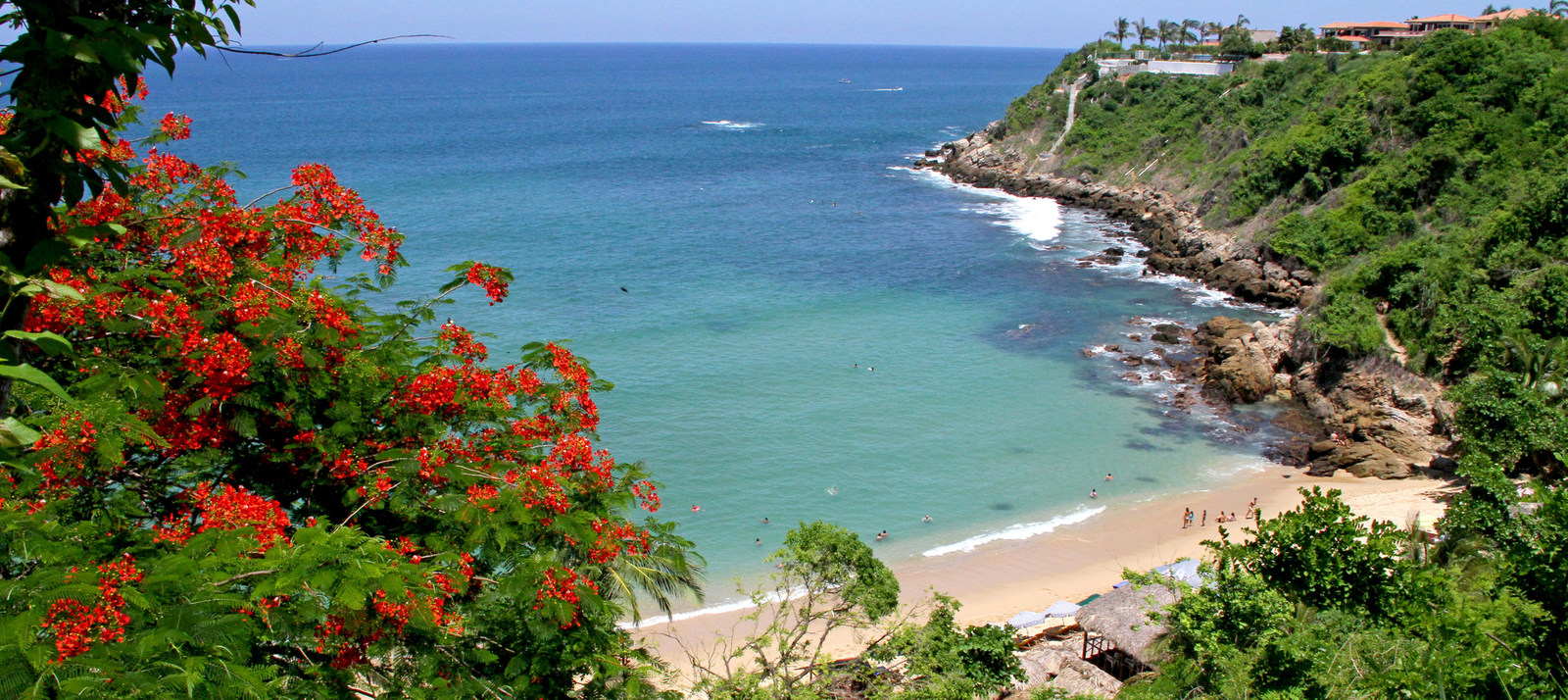
Vivo Resorts sits beside Playa Palmarito on Oaxaca’s Pacific coast, where beachfront habitats meet tropical forest, rocky shoreline, and open ocean. This varied setting creates opportunities to see wildlife during a relaxed walk, a boat excursion, or even a quiet moment on a terrace overlooking the water.
The animals you encounter will depend on the season, time of day, tides, and weather. Some are easy to recognize, such as brown pelicans gliding over the waves, while others require patience: a gecko beneath a garden light, a turtle track in the sand, or a distant whale spout beyond the breakers.
Wildlife viewing here is best approached as an unhurried part of the vacation. The Playa Palmarito guide offers useful context about the beach’s peaceful character, which makes it especially suited to observing nature without disturbing it.
Sea Turtles Along The Pacific Shore
Several sea turtle species use Mexico’s Pacific coastline, including olive ridleys and, in some areas and seasons, leatherbacks and black turtles. Nesting activity varies from year to year, and turtles are most likely to come ashore after dark. Tracks in the sand may be easier to spot than the animals themselves, particularly during early morning walks.
If you see a turtle, keep your distance, remain quiet, and avoid using flash photography. Never touch a hatchling, block its path, or leave personal belongings near the high-tide line. Resort staff and local conservation groups can provide guidance about approved viewing opportunities when nesting activity is present.
Birds Of Beach, Lagoon, And Garden
Birdwatching around the resort can be rewarding without specialized equipment. Brown pelicans often fly low over the surf, frigatebirds circle high above the coast, and laughing gulls patrol the beach. In greener areas, you may notice herons, egrets, doves, orioles, and colorful tropical species moving through the trees.
Early morning is generally the best time to look for birds, before the heat becomes intense. Bring compact binoculars if you have them and listen for calls as well as watching the sky. A bird perched near a pool or restaurant should be allowed to move away naturally; feeding wildlife can alter its behavior and create health risks for both animals and guests.
Marine Life Beyond The Breakers
The Pacific waters near Puerto Escondido support an impressive range of marine life. Dolphins may travel in groups offshore, and sea turtles sometimes surface between sets of waves. During the cooler months, humpback whales migrate through the region, with sightings often involving a spout, tail, or breaching body in the distance rather than a close encounter.
Boat excursions arranged through local operators can offer a better view of dolphins, whales, and seabirds. Choose providers that follow Mexican wildlife regulations, maintain a respectful distance, and avoid chasing animals. Sea conditions can change quickly, so follow crew instructions and use reef-safe sun protection when spending time on the water.
| Wildlife | Where You Might See It | Best Viewing Approach |
|---|---|---|
| Olive ridley turtle | Beach, especially during nesting season | Walk quietly and follow local guidance |
| Humpback whale | Offshore Pacific waters in cooler months | Scan the horizon from shore or a licensed boat |
| Dolphin | Open water and coastal boat routes | Watch from a safe distance without pursuing |
| Brown pelican | Surf line, rocks, and shoreline | Observe from a seated or stationary position |
| Iguana | Warm rocks, gardens, and low walls | Give it space and never offer food |
| Gecko | Resort gardens and outdoor lights after sunset | Use a dim light and avoid handling |
Reptiles And Small Tropical Creatures
Iguanas are among the most noticeable land animals in coastal Oaxaca. They may bask on rocks, garden walls, or tree branches, remaining motionless until they decide to disappear into vegetation. Small geckos are common around buildings and outdoor lights, where they hunt insects after sunset.
You may also encounter land crabs near sandy or vegetated areas, particularly around damp ground and shaded spots. These animals are harmless when left alone, but they can become stressed if surrounded by people. Keep children and pets from chasing them, and watch where you step during evening walks.
Seasonal Changes In Wildlife Sightings
The dry season can make birds and reptiles easier to spot because vegetation is less dense and animals gather around remaining sources of water. The rainy season brings fresh greenery, more insects, and increased activity among frogs, butterflies, and other small creatures. Short showers can also create lively bursts of bird activity afterward.
Whale watching is usually associated with the winter migration, while turtle nesting and hatching depend on species, beach conditions, and conservation schedules. A sighting is never guaranteed, which is part of the appeal. The coast remains worth exploring even when larger animals stay hidden.
Enjoying Nature Around The Resort
A wildlife-friendly stay begins with simple choices. Stay on established paths, keep food secured, and avoid collecting shells, coral, feathers, or other natural objects. Even an apparently empty nest or burrow may be in use, and moving beach materials can interfere with small animals.
Families can turn wildlife observation into a gentle activity rather than a search for rare sightings. Children might keep a sketchbook of birds, note different tracks in the sand, or identify butterflies from a distance. After a nature walk, the resort’s pools and family amenities provide a comfortable place to relax; these family pool experiences can complement a day spent exploring the coast.
Responsible Wildlife Viewing Habits
- Keep at least 50 meters from marine mammals and follow the instructions of boat crews or guides.
- Use red or dim light after sunset, especially near possible turtle nesting areas.
- Do not feed, touch, pursue, or pose with wild animals.
- Carry reusable water bottles and take every piece of litter back with you.
- Choose licensed excursions that support conservation and respect protected habitats.
A little preparation helps preserve the natural character of Playa Palmarito for future visitors and local wildlife alike. Pack binoculars, comfortable walking shoes, sun protection, and patience, then ask the Vivo Resorts team about current sightings and responsible excursions along Oaxaca’s coast. Book your stay and make time for the wild side of this beachfront escape.